



Architecture design is more than creating buildings—it is about shaping spaces that are functional, aesthetic, sustainable, and meaningful. Understanding the principles of architecture design is essential for architects, designers, students, and anyone interested in how built environments are created. This article explores the core principles that guide successful architectural design, optimized for clarity and search visibility.
1. Functionality
Functionality is the foundation of all architectural design. A building must serve its intended purpose efficiently.
Key aspects:
-
Logical layout and circulation
-
Ease of use for occupants
-
Adaptability for future needs
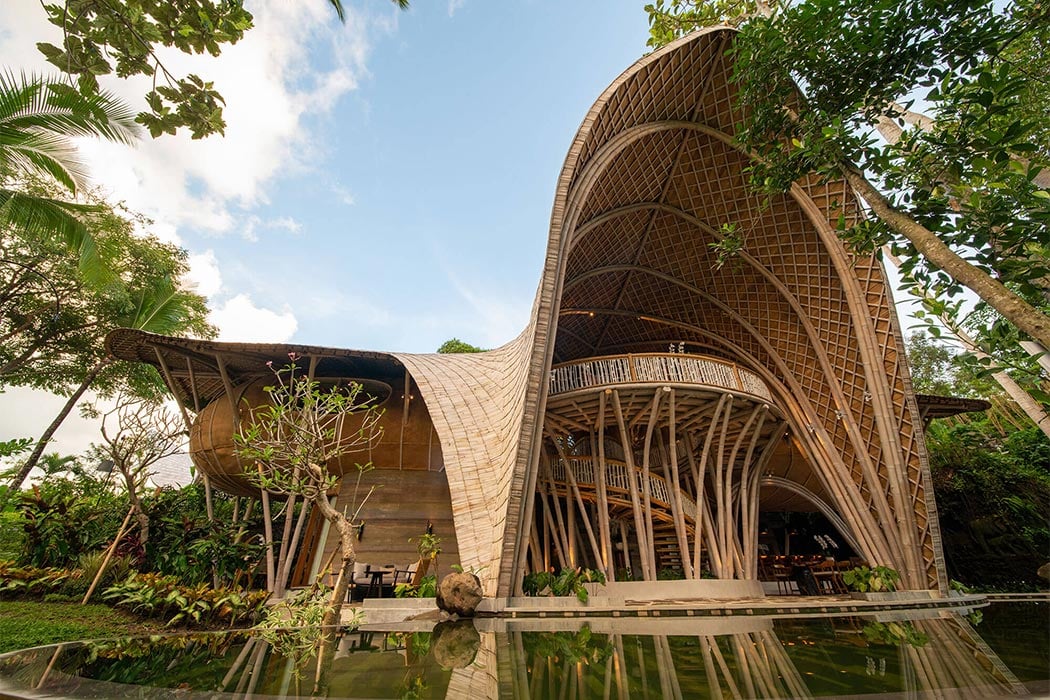
Good architecture works before it impresses.
2. Form and Aesthetics
Form refers to the visual appearance and shape of a building. Aesthetic quality creates emotional impact and cultural value.
Includes:
-
Geometry and massing
-
Material selection
-
Color, texture, and light
A well-designed form should support the function—not fight it.

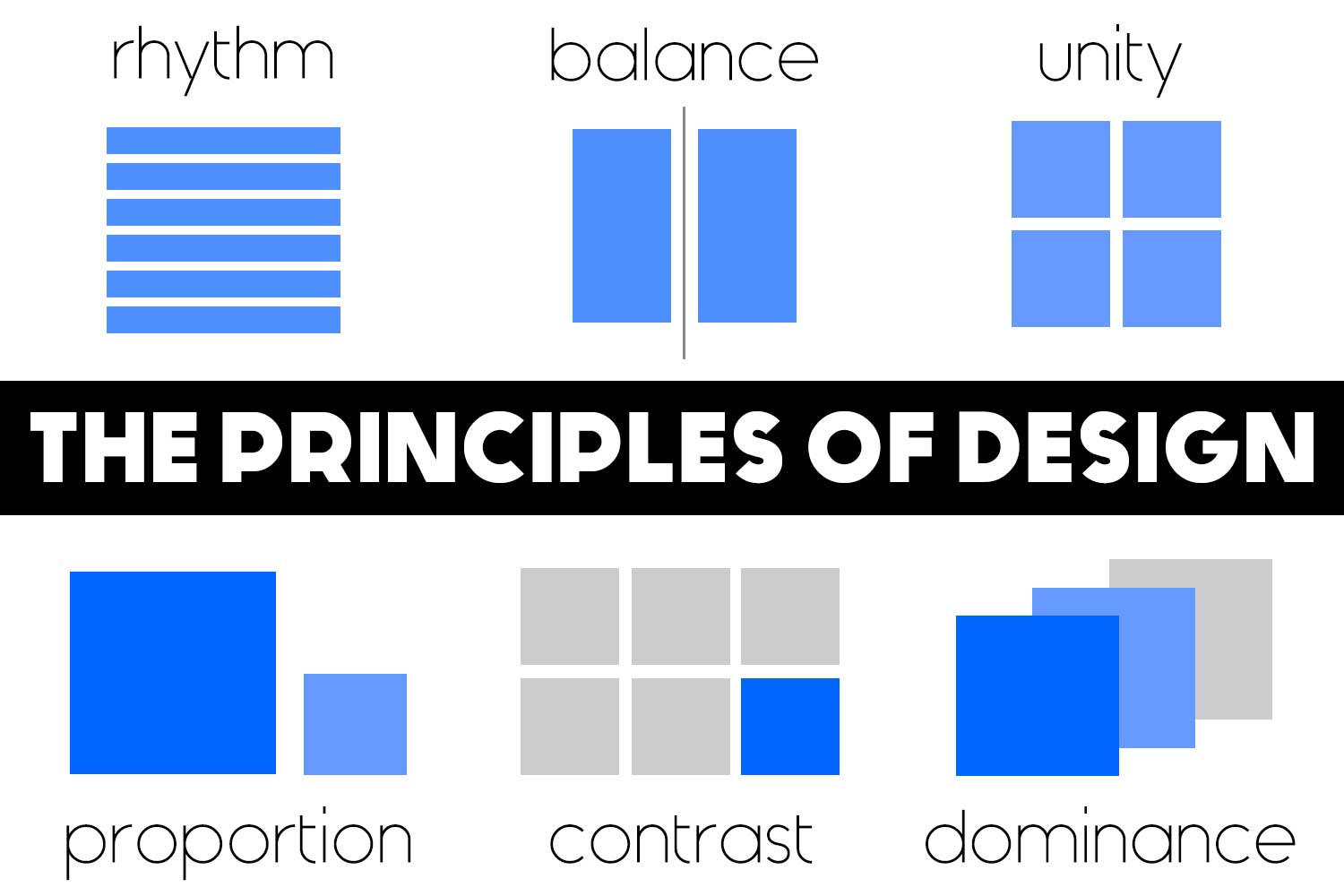
3. Balance
Balance creates visual stability and harmony.
Types of balance in architecture:
-
Symmetrical balance – formal, orderly, traditional
-
Asymmetrical balance – dynamic, modern, expressive
-
Radial balance – elements radiate from a central point

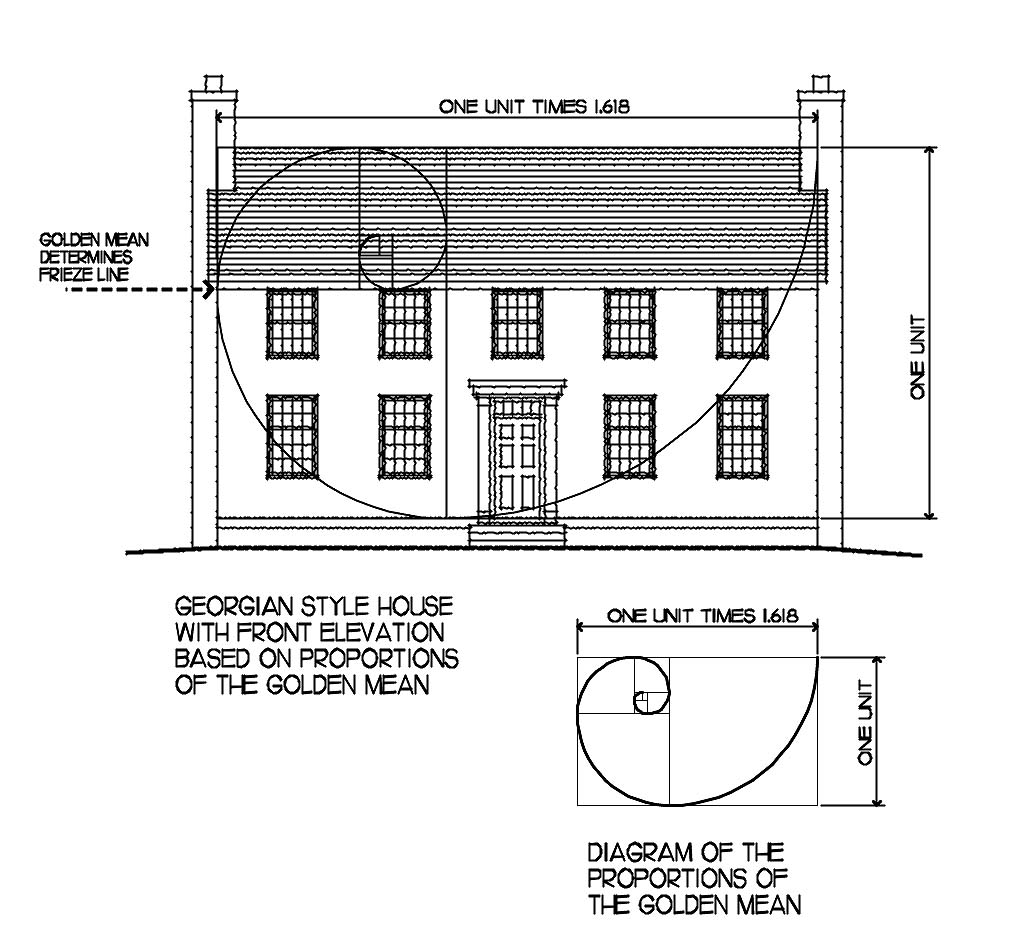
4. Proportion and Scale
Proportion relates parts to each other; scale relates the building to human size.
Why it matters:
-
Enhances comfort and usability
-
Creates visual harmony
-
Influences how spaces feel (open, intimate, monumental)
Human-centered proportions are key to successful design.
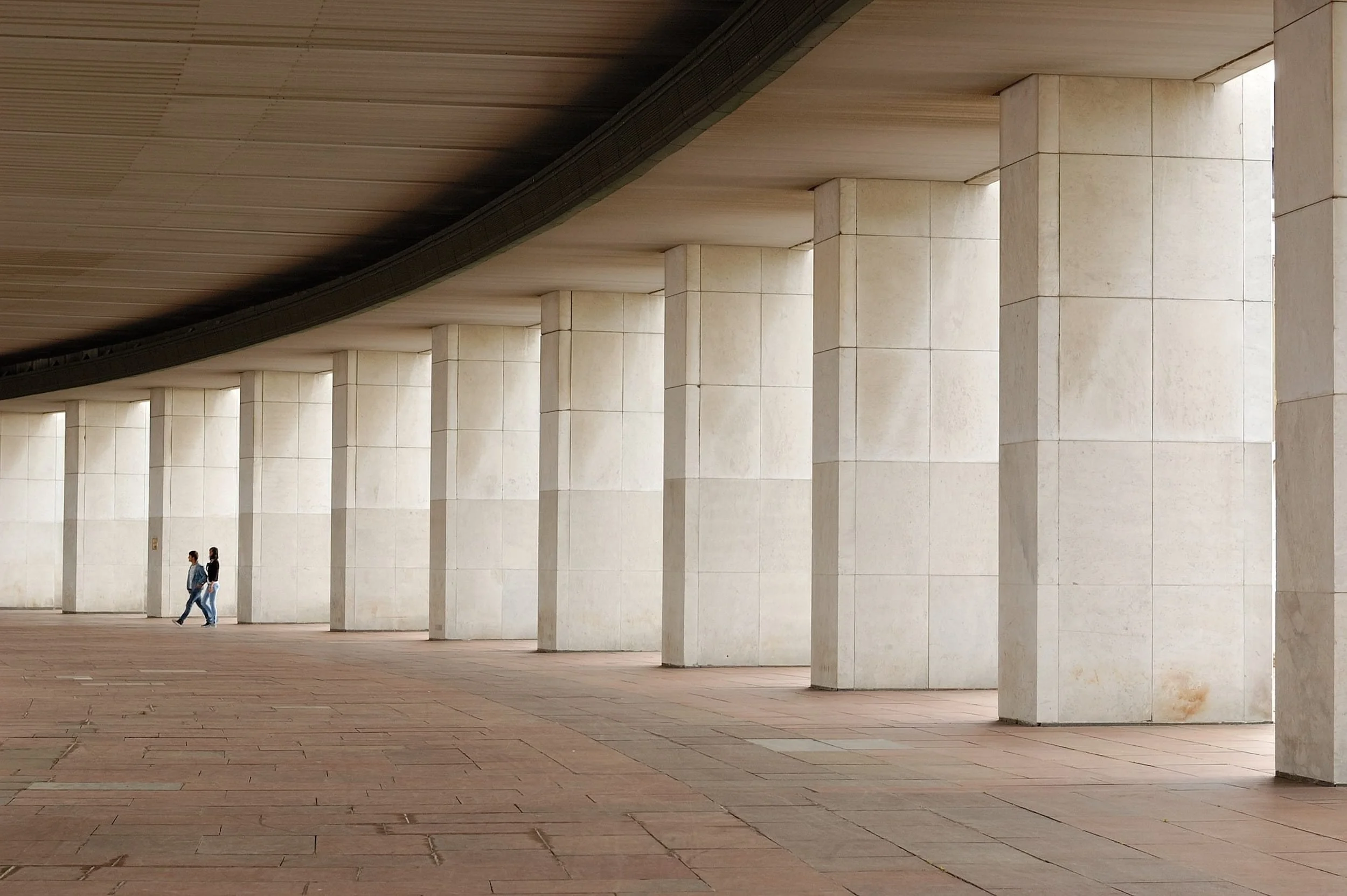
5. Rhythm and Repetition
Rhythm is created by repeating elements such as windows, columns, patterns, or structural lines.
Effects of rhythm:
-
Guides the eye through space
-
Creates unity and movement
-
Adds visual interest without chaos
6. Unity and Harmony
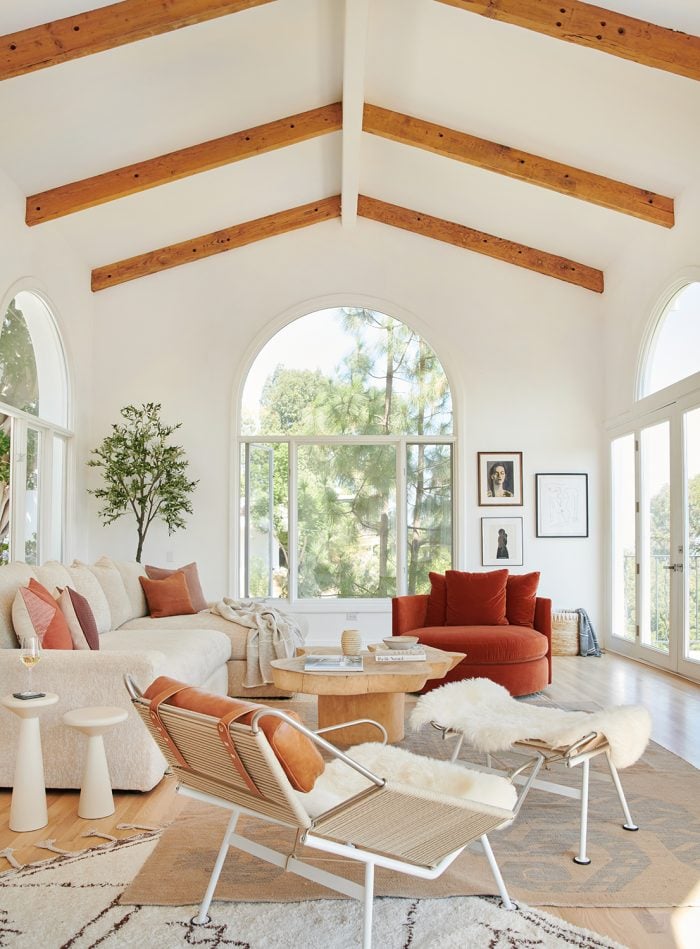
Unity ensures all design elements work together as a cohesive whole.
Achieved through:
-
Consistent materials
-
Repeated forms or themes
-
Coordinated colors and textures
A unified design feels intentional and complete.
7. Contrast
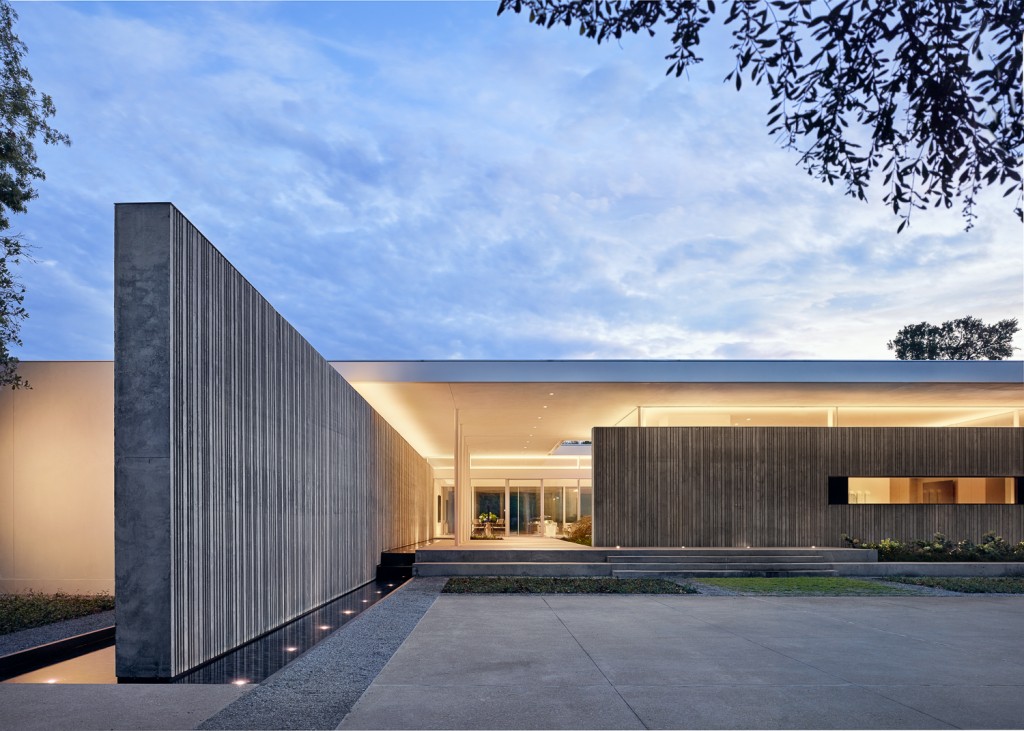
Contrast adds emphasis and character by highlighting differences.
Examples:
-
Light vs. shadow
-
Solid vs. void
-
Old materials vs. modern elements
Used wisely, contrast brings life to architectural compositions.
8. Sustainability
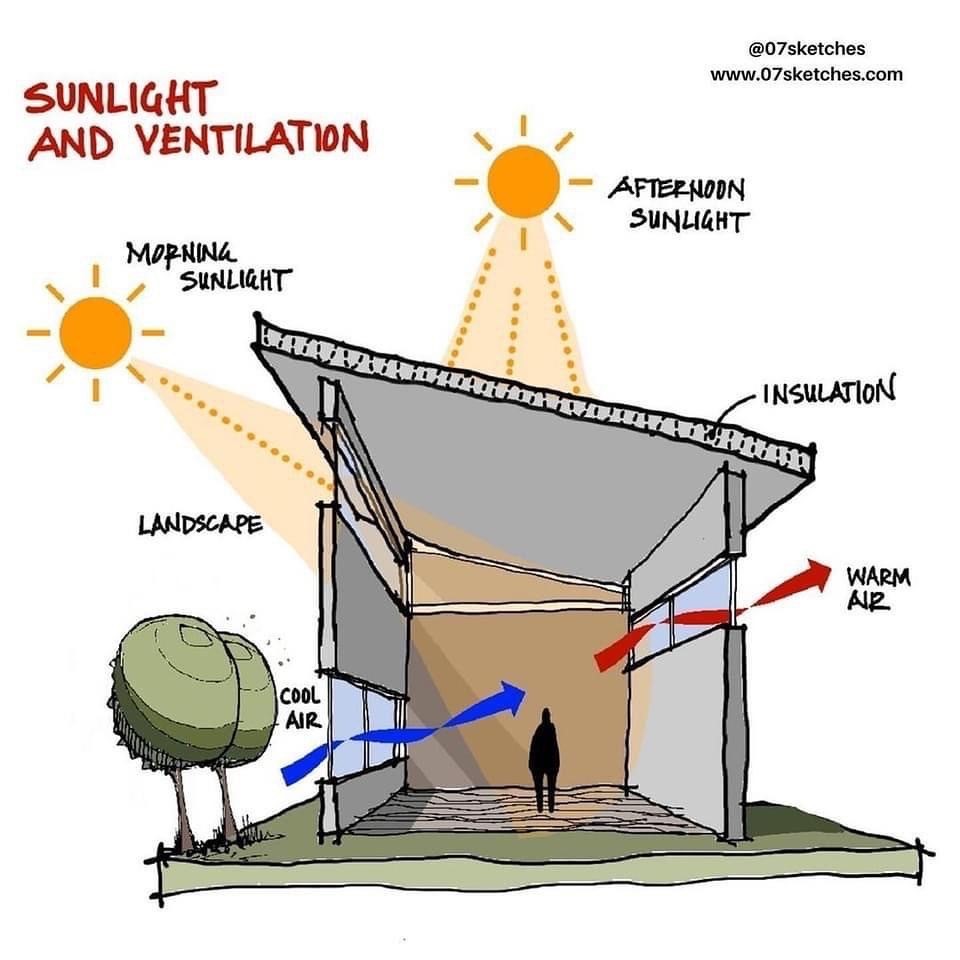
Modern architecture must respect the environment and resources.
Sustainable design principles include:
-
Energy efficiency
-
Passive design strategies
-
Use of renewable and local materials
-
Water conservation
Sustainability is no longer optional—it is a core design principle.
9. Context and Site Integration
Architecture should respond to its surroundings.
Context includes:
-
Climate and geography
-
Cultural and historical setting
-
Urban or natural environment
Great architecture belongs to its place.

10. Light and Space
Light shapes how architecture is experienced.
Design considerations:
-
Natural daylight orientation
-
Shadow and depth
-
Spatial flow and openness
Light transforms space into experience.

Why Architectural Design Principles Matter
Applying these principles results in buildings that are:
-
Functional and efficient
-
Visually appealing
-
Comfortable and human-centered
-
Sustainable and timeless
Whether designing homes, offices, or public spaces, these principles provide a universal framework for quality architecture.